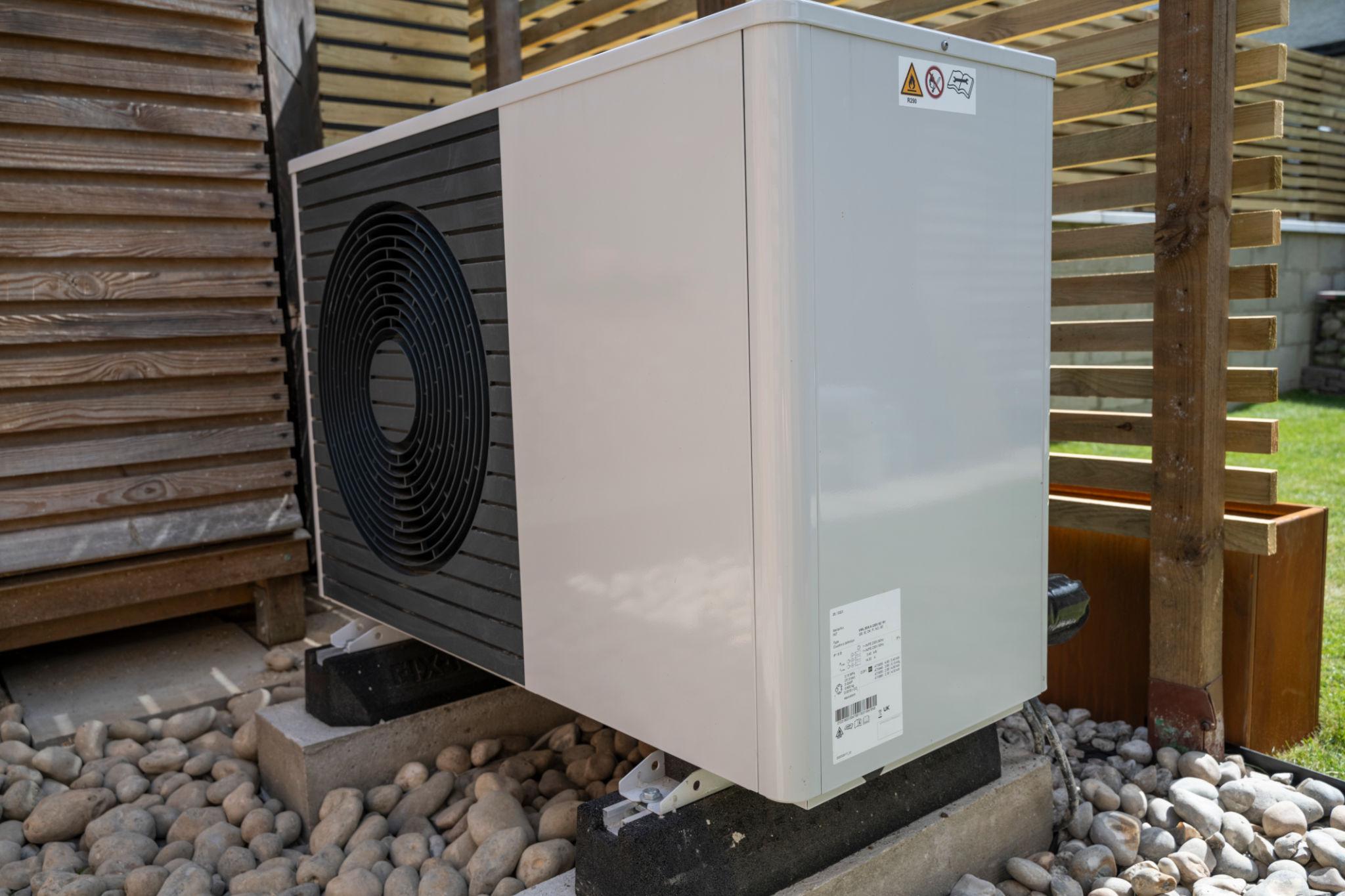
Air Source Heat Pumps (ASHPs) are rapidly becoming the preferred low-carbon heating solution for UK homes. This guide explains how they work, their benefits, costs, and what homeowners should consider before installation.
How Air Source Heat Pumps Work
ASHPs extract heat from the outside air and transfer it into your home using a refrigerant cycle. They provide both space heating and hot water.
Efficiency
- Coefficient of Performance (COP): Typically between 3 and 5.
- This means they produce 3–5 units of heat for every unit of electricity used.
Benefits
- Lower Carbon Emissions
- Eligibility for the Boiler Upgrade Scheme (BUS) – up to £7,500
- Reduced Energy Bills
- Low Maintenance
- Future-Proof Heating
Typical Costs
| Item |
Estimated Cost |
| Installation |
£7,000 – £13,000 |
| BUS Grant |
Up to £7,500 |
| Net Cost |
£2,500 – £6,000 |
Is Your Home Suitable?
✔ Good insulation levels
✔ Space for an outdoor unit
✔ Hot water cylinder
✔ Larger radiators or underfloor heating
✔ Adequate electrical supply
Installation Timeline
- Heat Loss Survey
- System Design
- Grant Application
- Installation (2–5 days)
- Commissioning and Handover
Running Costs and Savings
When paired with solar PV or smart tariffs, running costs can be significantly reduced. Many homeowners experience similar or lower heating costs compared to gas boilers.
Maintenance
- Annual service recommended
- Filter checks and system monitoring
- Expected lifespan: 15–20 years
Frequently Asked Questions
Do heat pumps work in cold weather?
Yes, modern systems operate efficiently even below freezing.
Are they noisy?
No, most units are quieter than typical household appliances.
Can they replace my existing boiler?
Yes, with appropriate system design.
How Energy Badger Can Help
Energy Badger provides expert guidance, ensuring your home is heat pump-ready and helping you access available grants.
Get in Touch
Upgrade to low-carbon heating today.
Contact Energy Badger for a tailored heat pump assessment.